
How Can Tattoo Artist Training Teach Proper Tattoo Preparation?
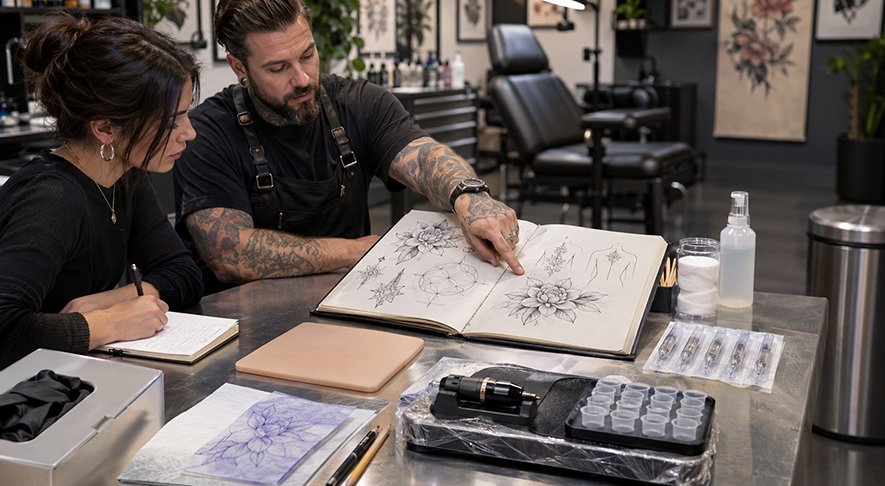
Learn To Tattoo Pitt Meadows programmes should introduce proper preparation through clear demonstrations, supervised exercises, and practical feedback before client-related work. However, preparation involves more than arranging equipment neatly before beginning a tattoo. Students need to understand design approval, workstation organisation, hygiene, equipment handling, and communication. These foundations help learners recognise problems before progressing to more demanding tasks. Ask Ink du Soleil about its training syllabus and approach to teaching preparation.
What Does Proper Tattoo Preparation Include?
Proper preparation connects the proposed artwork with an organised and responsible working process. First, students should learn how artists discuss designs, placements, and appointment expectations. They also need instruction about hygiene routines and the equipment used during lessons. An instructor should explain the purpose of each step rather than encourage memorisation alone. This approach helps beginners understand preparation as part of the complete tattooing process.
Learn the Sequence Before Attempting Practical Work
A clear sequence helps students understand what needs checking before each practical exercise. Therefore, instructors should demonstrate preparation before asking learners to repeat the routine. Students can practise identifying missing information, misplaced materials, and steps requiring further explanation. Feedback should address these issues before the exercise moves forward. Learning the sequence gradually supports understanding without encouraging beginners to work beyond their experience.
How Can Training Teach Design Preparation?
Design preparation begins with understanding the subject, dimensions, placement, and client’s preferences. Additionally, students should examine whether important details have enough space within the proposed artwork. Drawing exercises can show how reducing size affects lettering, outlines, and decorative elements. Instructors can explain when simplifying a composition supports greater visual clarity. These lessons connect artistic decisions with the practical needs of the intended tattoo.
Practise Reviewing Artwork Before Approval
Students should learn to check names, dates, proportions, and the arrangement of important features. Next, role-play consultations can help them explain suggested changes in understandable language. A learner should recognise that design approval requires more than presenting an attractive drawing. Clients need opportunities to ask questions and clarify their preferences. Training can develop these communication habits alongside the artistic planning process.
Why Does Workstation Organisation Matter During Training?
An organised workstation helps students follow the preparation sequence demonstrated by their instructor. However, a tidy appearance cannot confirm that someone has completed the required hygiene procedures. Students need to understand how organisation supports appropriate handling rather than replaces infection prevention. Ask how Tattoo Artist Training Pitt Meadows connects setup exercises with hygiene instruction. Qualified guidance should explain the reasons behind the arrangement of materials.
Understand Hygiene Before Focusing on Speed
Beginners should prioritise understanding preparation rather than trying to complete it quickly. Therefore, instructors should explain contamination prevention and review the learner’s actions during supervised exercises. Students need opportunities to ask why particular handling decisions matter. British Columbia provides guidance to help personal service operators prevent health hazards. A course should connect practical learning with relevant guidance rather than informal shortcuts.
How Does Equipment Knowledge Support Preparation?
Equipment lessons explain which tools students need and how instructors expect them to handle each item. Similarly, learners should understand the differences between cleaning, disinfection, sterilization, and single-use supplies. Ask which equipment your chosen Tattoo Course Pitt Meadows introduces during supervised lessons. Instructors should demonstrate appropriate procedures and explain unfamiliar terms clearly. Understanding equipment helps students follow instructions without guessing how a tool should function.
Check Readiness Through Supervised Exercises
An instructor can use preparation exercises to assess a student’s understanding before progressing. Afterwards, the learner should explain which checks they completed and identify remaining questions. This discussion helps distinguish actual understanding from copying a demonstration without knowing its purpose. Mistakes should prompt correction and another supervised review where necessary. Progress should depend on demonstrated competence rather than confidence or attendance alone.
Can Training Explain Skin Preparation Without Encouraging Unsupervised Practice?
Yes, instruction can explain skin preparation within clearly supervised learning stages. However, students should not interpret an introductory demonstration as permission to tattoo another person independently. Qualified instructors need to explain appropriate procedures and when further assessment matters. Learners should ask questions whenever a situation exceeds their current knowledge. Ask Ink du Soleil how its programme sets boundaries for practical exercises and progression.
What Communication Skills Support Better Preparation?
Preparation includes understanding the person’s expectations and explaining the proposed appointment clearly. Additionally, students can practise discussing placement, design approval, positioning, and opportunities for questions. Role-play exercises help learners recognise uncertainty before someone agrees to the artwork. An instructor can review whether explanations sound clear or contain unnecessary technical language. These skills support a more organised consultation alongside the practical preparation routine.
Explain Changes Without Overruling Personal Preferences
An artist may recommend adjustments when a design needs different spacing or dimensions. Therefore, students should practise explaining the reason while listening to the client’s concerns. They should recognise that a practical suggestion still requires discussion and agreement. Training can use sample designs to explore several workable alternatives. This approach helps learners connect technical considerations with respectful and understandable communication.
Which Preparation Topics Should You Ask a Course Provider About?
People who want to Learn To Tattoo Pitt Meadows should request a detailed training outline. Furthermore, they should ask how instructors demonstrate preparation and assess students during practical exercises. Contact Ink du Soleil to confirm its syllabus, training location, and entry requirements. Clarify which supplies the programme includes and what learners need to obtain separately. Use the following questions to organise your enquiry before enrolling.
Three Important Areas to Compare
- Demonstrations and supervision: Ask whether instructors demonstrate the complete preparation routine before students practise individual stages. Then, clarify how they observe exercises and explain errors during lessons. Discuss class sizes and opportunities to request help with unfamiliar procedures. Find out which skills learners must demonstrate before moving forward. Clear supervision arrangements help you understand the support available during practical development.
- Design and consultation exercises: Ask whether lessons include checking artwork, discussing placement, and obtaining clear design approval. Next, confirm how students practise explaining revisions and listening to personal preferences. Request examples of the drawing tasks or role-play exercises used. Find out whether instructors provide individual feedback on these communication skills. These details reveal how the course connects artistic planning with appointment preparation.
- Hygiene and equipment instruction: Ask which preparation procedures, handling routines, and equipment topics the syllabus covers. Afterwards, clarify how instructors introduce contamination prevention and assess practical understanding. Request information about the guidance used to support the lessons. Discuss cleanup responsibilities alongside setup rather than treating them as unrelated tasks. A detailed answer helps you evaluate the programme beyond its promotional description.
Does Completing Preparation Lessons Establish Professional Readiness?
Completing introductory lessons cannot demonstrate readiness for every practical situation or independent appointment. However, structured training can establish foundations that support further learning and supervised development. Ask what the programme assesses and what any completion document represents. Discuss additional mentoring when important skills still need practice or clearer explanation. Learners should recognise their limits and seek guidance instead of assuming they know enough.
Build Reliable Habits Before Advancing Your Technique
Proper preparation combines design planning, hygiene understanding, equipment knowledge, and clear communication. Ultimately, these skills need practice and assessment alongside artistic and technical development. Choose training that explains the purpose behind procedures and welcomes questions. Contact Ink du Soleil to discuss preparation lessons and your current learning goals. Strong foundations help you approach later training with greater understanding and more responsible habits.
FAQs
Ask Ink du Soleil about demonstrations, supervised exercises, and practical feedback. Confirm how lessons connect design planning, hygiene, equipment knowledge, and communication.
Ask Ink du Soleil whether training covers design approval, workstation setup, hygiene, and equipment handling. Clarify how instructors assess understanding during supervised exercises.
Ask Ink du Soleil whether lessons address dimensions, spacing, lettering checks, and placement. Confirm how instructors review artwork and explain practical design adjustments.
Organisation helps learners follow the intended routine without replacing required hygiene measures. Ask Ink du Soleil how instructors teach and assess workstation preparation.
Ask Ink du Soleil about role-play consultations and feedback on explanations. Students can practise discussing preferences, design changes, placement, and appointment expectations.
Ask Ink du Soleil how its syllabus distinguishes these preparation processes. Confirm which handling procedures instructors demonstrate and assess during supervised practical lessons.
Ask Ink du Soleil how practical learning stages and readiness assessments work. An introductory demonstration cannot establish independent competence or replace further supervised development.
Ask Ink du Soleil about observed exercises, progress reviews, and corrective feedback. Learners should explain procedures rather than simply copy the demonstration.
Request an equipment and supplies list from Ink du Soleil before purchasing anything. Confirm included materials, additional costs, and the programme's preparation requirements.
Contact Ink du Soleil to request its syllabus, availability, and entry requirements. Ask about location, preparation lessons, supervision, assessment, equipment, fees, and further mentoring.